

The term “full-service wedding planner” appears everywhere in our industry. Yet its meaning remains surprisingly unclear. Many couples find it confusing when beginning their planning journey. Some imagine a person who simply books vendors and sends timelines. Others picture someone who takes over entirely, making every decision on their behalf. The reality is far more nuanced. Understanding what this role truly encompasses is crucial. It can make all the difference in your approach to one of the most significant celebrations of your life.
I am a full-service wedding planner and designer based in San Diego and I want to pull back the curtain on what this work actually looks like, so you can make the best decision for your own celebration.
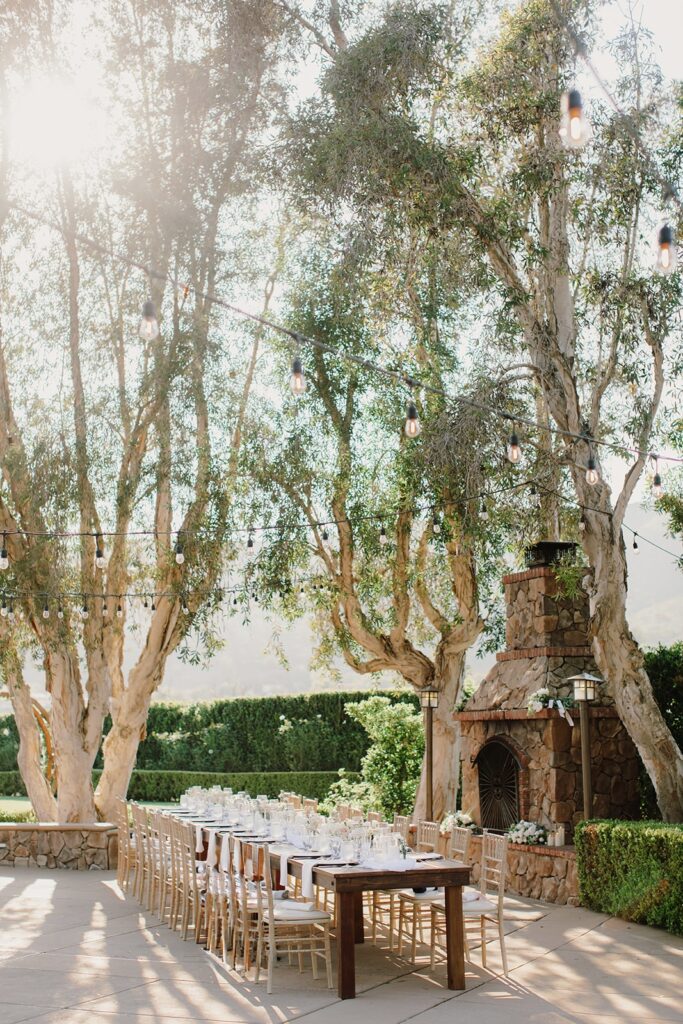
It Begins Long Before the Wedding Day
A full-service wedding planner enters your world early, often twelve months before your wedding date. The earliest stages of planning are where the most consequential decisions are made, and they deserve thoughtful, experienced guidance.
In those first months together, a planner helps you clarify your vision. Not just the colors you love. It’s not only about the flowers you’ve saved on Pinterest. It’s about the deeper questions: What do you want your wedding to feel like? How do you want your guests to experience the day? What matters most to you as a couple, and where are you willing to be flexible? These conversations shape every decision that follows. A skilled planner knows how to facilitate them with care. They approach each conversation with genuine curiosity.
From there, the work of building your wedding begins. Budget development is one of the first and most important steps. A full-service planner helps you create a realistic budget. This budget aligns with your vision. It guides you toward an honest understanding of what your celebration will require financially. This is not about limiting your dreams but about ensuring your resources are allocated in ways that reflect your priorities. A planner who has worked extensively with venues and vendors understands current pricing. They know where to invest generously. They also identify where savings can be found without sacrificing quality.
The Art of Vendor Curation
Working with a full-service wedding planner offers significant benefits. One key advantage is access to a carefully cultivated network of creative and hospitality professionals. Over years of producing weddings, a planner builds connections with florists, photographers, and caterers. They also establish relationships with lighting designers, musicians, and stationers. Additionally, planners work with rental companies and countless other specialists. These relationships are built on trust, shared standards of excellence, and a mutual understanding of how to collaborate effectively.
When your planner recommends a vendor, it is not a casual suggestion. It is a thoughtful pairing based on your aesthetic sensibilities. It also considers your budget. Additionally, it addresses the specific demands of your venue and timeline. A seasoned planner understands that the best florist for a grand ballroom celebration may not be the ideal choice for an intimate garden gathering. They know which photographers thrive in low light, they understand which bands can read a room with precision, they also recognize which caterers excel at particular cuisines or service styles.
Beyond the initial recommendations, your planner manages the proposal and contracting process. They review agreements to ensure your interests are protected. The planner also coordinates communication among your entire vendor team. This alone can save you hundreds of hours and considerable stress over the course of your planning journey.

Design as a Thoughtful Process
For many couples, design is the most exciting part of planning, and it should be. A full-service planner who also brings a design sensibility will guide you through this process with both creativity and intention.
Design is not simply about choosing pretty things. It is about creating a cohesive visual and sensory narrative that reflects who you are, it considers the architecture of you,it considers the way guests will move through the space. Additionally, it looks at the overall atmosphere you wish to cultivate. Every element, from table linens and place settings to ceremony backdrops and lounge areas, should feel connected. Each piece must be purposeful. They should all be beautifully considered.
I grew up surrounded by the timeless elegance of Lake Como. I approach design as a conversation between classic beauty and personal expression. The goal is always understated luxury. It is refined and elegant without being ostentatious. There are personal touches that make the celebration unmistakably yours.
Your planner translates this vision into detailed design documents, mood boards, and floor plans. It also includes specification sheets that your vendors can execute with precision. This translation work is essential. Without it, even the most beautiful concept can be lost in execution.

The Production Schedule: Where Beauty Meets Reality
If design is the soul of a wedding, the production schedule is its backbone. This document is detailed and minute-by-minute. It coordinates every vendor, every setup requirement, every transition, and every key moment of your celebration. It is arguably the most important document your planner will create, and it is where deep venue experience becomes invaluable.
Having worked behind the scenes in venues and catering operations, I understand how these spaces function from the inside. I know the right questions to ask about load-in windows, power capacity, kitchen capabilities, and noise restrictions. I understand how long a floral installation realistically takes. I know how much time a catering team needs between courses. I can identify where bottlenecks are likely to occur in guest flow.
A thoughtfully constructed production schedule protects the guest experience by ensuring that transitions feel natural rather than forced. It gives every vendor adequate time to deliver their best work. It builds in breathing room for the unexpected, because in live events, something always shifts. Most importantly, it allows you to be fully present on your wedding day. You can trust that someone competent and caring is orchestrating everything behind the scenes.
Month-of Coordination Is Not Full-Service Planning
This is an important distinction that deserves honest explanation. Month-of or day-of coordination is a valuable service, but it is fundamentally different from full-service planning. A coordinator typically steps in during the final weeks. They review plans that have already been made. They confirm details with vendors. They also manage the timeline on the wedding day itself.
A full-service planner, by contrast, is your partner from the very beginning. They shape the vision, build the budget, curate the team, design the experience, and produce the event. They are present for every major decision and countless small ones. They carry the mental load of your wedding. This allows you to enjoy the planning process. You won’t be consumed by it.
Managing the Unexpected with Grace
Every wedding, no matter how meticulously planned, encounters moments that require quick thinking and calm leadership. A delivery arrives damaged. A key family member is running late. The weather shifts unexpectedly. A vendor has a last-minute staffing change.
A full-service planner anticipates many of these scenarios before they occur and builds contingency plans accordingly. When the unexpected does arise, they manage it quietly. They do so efficiently, often without the couple ever knowing there was an issue at all. This is not about being controlling. It is about creating a protective layer around your celebration. This ensures that you and your guests experience only the beauty, joy, and connection that the day was designed to hold.
Communication and Emotional Support
What rarely gets discussed is the emotional dimension of this work. Planning a wedding can surface complex family dynamics, differing expectations, decision fatigue, and moments of overwhelm. A thoughtful planner recognizes these pressures and provides steady, reassuring support throughout the process.
This means being an good communicator, someone who keeps you informed without overwhelming you, who presents options clearly, who listens carefully to what you need, and who knows when to step in with a recommendation and when to step back and let you lead. It means being honest when an idea may not serve your celebration well, and doing so with kindness and respect.
The relationship between a couple and their planner is an intimate one. You are entrusting someone with one of the most meaningful days of your life. That trust must be earned through competence, consistency, and genuine care.
What It All Comes Down To
A full-service wedding planner does not simply plan a party. They shepherd a vision from its earliest spark through to its flawless execution. They are part designer, part producer, part project manager, part counselor, and part advocate. They hold the thousand details so that you can hold each other.
Your wedding should create a warm, personal, and joyful experience for both you and your guests. When every element is beautifully designed and every logistical detail is handled with expertise and heart, that experience becomes not just possible but inevitable.
If you would like to learn more about how this process works and explore whether full-service planning is the right fit for your celebration, I invite you to visit my services page for a closer look at what we can create together.
